

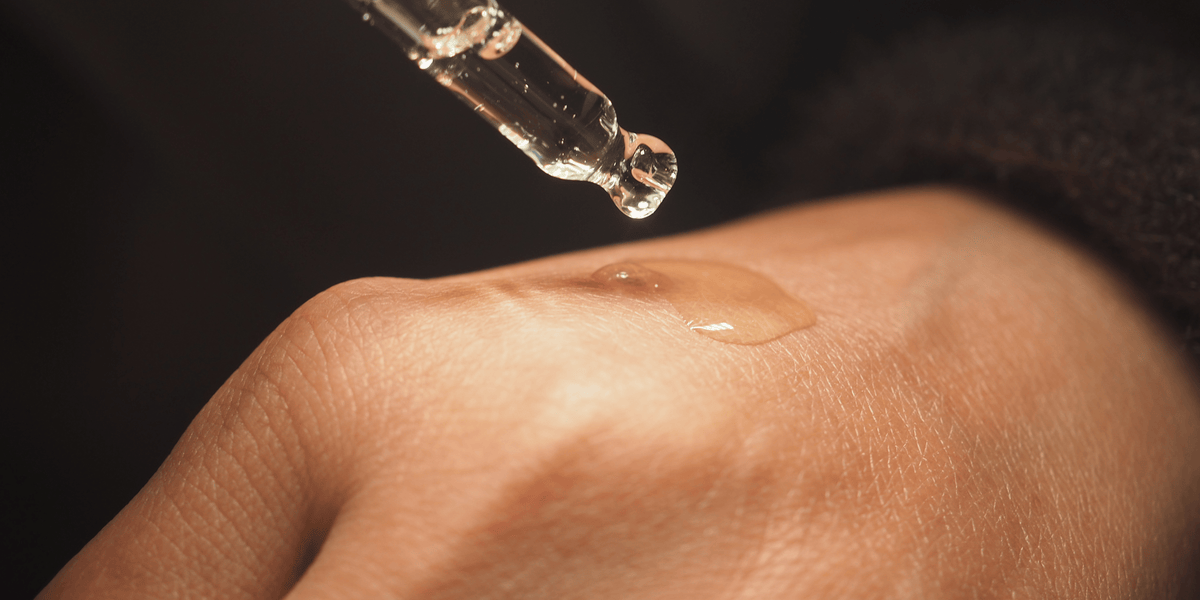
As soon as the heating comes back on in Quebec homes, many people notice the same thing: the skin feels tight after cleansing, makeup looks less smooth, and the moisturizer that worked all summer no longer seems enough. It's often at this time of year that people reach for a hyaluronic acid serum.
It's a good reflex, as long as you know what this ingredient can do, and what it can't do on its own.
The short answer: hyaluronic acid is a humectant. It attracts and holds water in the upper layers of the skin, which helps it look plumper, smoother and more comfortable. To get the most from it in winter, apply it on slightly damp skin, morning and evening, and always follow with a cream that helps keep that hydration in. Used alone in very dry air, it may not be enough to relieve a feeling of tightness.
What Is Hyaluronic Acid?
Hyaluronic acid is a substance naturally present in the skin, where it helps retain water. In skincare, it is used for the same reason: it is a humectant, meaning it attracts water and holds it in the surface layers of the skin.
The result is mainly felt and seen: the skin feels more supple and comfortable, and fine lines caused by dehydration look less visible.
Does molecular weight matter?
Hyaluronic acid comes in different molecular sizes. High-molecular-weight hyaluronic acid tends to stay on the surface, where it forms a light, moisturizing film. Low-molecular-weight hyaluronic acid is smaller and is generally associated with better penetration into the upper layers of the skin.
This is why many formulas combine several sizes of hyaluronic acid, to hydrate both at the surface and in the upper layers of the skin.
Why Can Your Skin Still Feel Dry With Hyaluronic Acid?
This is the question we hear most often in winter. There are two main reasons.
- A humectant needs water to work with. When indoor air is very dry, as it often is when the heating is on, it helps to give hyaluronic acid some water to hold on to: apply it on skin that is still slightly damp, and seal it with a cream.
- Your skin may be lacking lipids, not just water. Hyaluronic acid hydrates, but it doesn't replace the lipids that dry skin produces in smaller quantities. If your skin is dry rather than dehydrated, it also needs a richer, more nourishing cream. Our article on dry vs. dehydrated skin explains the difference.
How to Use Hyaluronic Acid in Your Routine
1. Cleanse gently
Use lukewarm water and a cleanser that doesn't leave your skin feeling tight. A harsh cleanser can undo the benefits of the rest of your routine.
2. Apply a toner
A hydrating toner completes the cleanse and leaves the skin slightly damp, which is the ideal moment to apply your serum.
3. Apply the hyaluronic acid serum on damp skin
A few drops are enough for the face and neck. Press the serum gently into the skin rather than rubbing.
4. Seal with a cream
Follow immediately with your day or night cream. This step helps keep the hydration where your skin needs it. To learn more about layering, read our article on the order in which to apply your skincare.
5. Once or twice a week: a hydrating mask
When your skin feels particularly tight, a gel mask offers an extra moment of comfort.
Our Hyaluronic Acid Skincare

Moisturize Intense Serum
The hydration step. This ultra-hydrating serum with hyaluronic acid has a lightweight, water-based texture. It deeply hydrates, helps strengthen the skin's moisture barrier and leaves the skin supple.

Moisturize Harmonizing Cream
To seal in hydration during the day. Its silky texture forms delicate water droplets on application. With hyaluronic acid, argan oil and caviar extract, it plumps, softens and provides an immediate feeling of comfort.

Jouvence Gel Mask
For mature, dehydrated skin. This gel mask combines low-molecular-weight hyaluronic acid with marine collagen and marine elastin. It deeply hydrates with a plumping effect and leaves the skin looking smoother and more radiant.

Moisturize Gift Set · Hyaluronic Acid
The complete routine. An enzymatic exfoliant, the Moisturize Intense Serum, the Harmonizing Day Cream and the Repairing Night Cream: four steps built around hyaluronic acid, for skin that feels tight or looks dull by mid-afternoon.
You'll find all our hydrating formulas in the Hydration Boost and Dehydrated Skin collections.
Frequently Asked Questions About Hyaluronic Acid
Can I use hyaluronic acid every day?
Yes. Hyaluronic acid can be used morning and evening, as part of your usual routine.
Is hyaluronic acid suitable for oily or combination skin?
Yes. Oily skin can also be dehydrated. A light, water-based serum hydrates without adding heaviness. Read our article Oily Skin: Do You Really Need a Moisturizer?
Can I combine hyaluronic acid and vitamin C?
Yes, the two are often used in the same routine. To learn more, read our article on vitamin C in skincare.
Can hyaluronic acid dry out the skin?
On its own, in very dry air, a humectant may not be enough to keep the skin comfortable. That's why it's best to apply it on damp skin and always follow with a cream.
The Bottom Line
Hyaluronic acid is a valuable ally when the heating comes back on, as long as it's used as part of a complete routine: on damp skin, followed by a cream suited to your skin type. If your skin still feels tight, it may need more nourishment as well as hydration. For more cold-season tips, read our article on hydration in winter.
Is your skin dry, dehydrated, or both?
A France Laure partner esthetician can assess your skin in person and recommend the right balance of hydration and nourishment for the season.


