

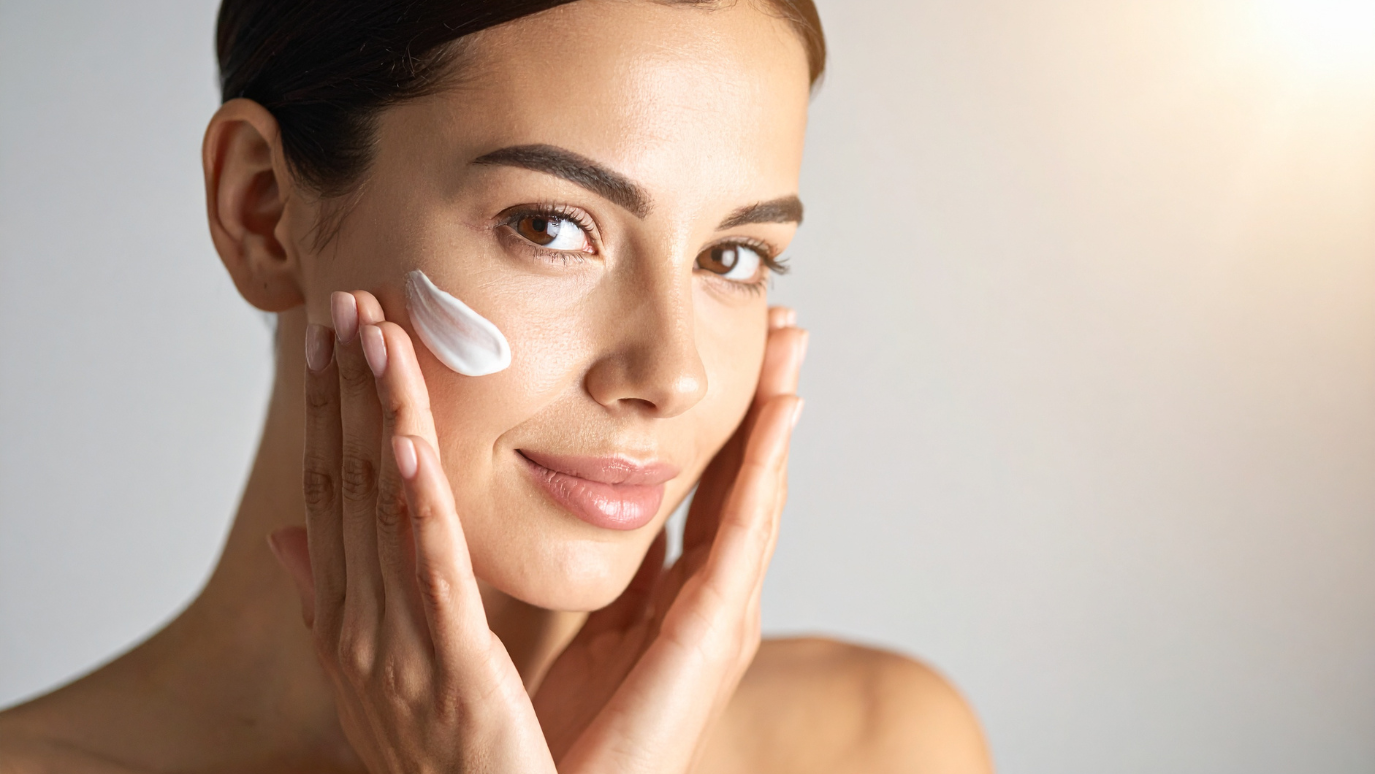
When it comes to skincare, many people confuse dry skin with dehydrated skin. While they may look and feel similar, they are actually very different conditions and treating them correctly is essential for healthy, glowing skin.
What is dry skin?
Dry skin is a skin type. This means it’s something you naturally have, often due to genetics. Dry skin produces less oil (sebum) than normal skin, which leads to:
- Flaking and rough texture
- Tightness, especially after cleansing
- Increased sensitivity
- Visible fine lines
- A dull appearance
Because dry skin lacks oil, it needs products that replenish lipids and strengthen the skin barrier.
What causes dry skin?
Several factors can worsen dry skin:
- Cold weather
- Harsh cleansers
- Hot showers
- Aging
- Certain skin conditions
Even people who live in humid climates like United States or United Kingdom can struggle with dry skin during winter months.
How to care for dry skin
If you have dry skin, focus on:
- Rich skin moisturizer cream formulas
- Ingredients like ceramides, shea butter, and plant oils
- Gentle, non-foaming cleansers
- Avoiding alcohol-based products
Some of the best hydrating skin care products for dry skin include nourishing creams.
What is dehydrated skin?
Unlike dry skin, dehydrated skin is a condition, not a skin type. This means anyone — even someone with oily or combination skin — can experience dehydration.
Dehydrated skin lacks water, not oil.
Signs of dehydrated skin
- Tightness but still oily in some areas
- Increased sensitivity
- More visible fine lines (especially when smiling)
- Dull complexion
- Makeup that looks uneven or patchy
Environmental factors, stress, caffeine, lack of sleep, and air conditioning can all contribute to water loss in the skin.
Dry Skin vs. Dehydrated Skin: Key Differences
| Dry Skin | Dehydrated Skin |
|---|---|
| Skin type | Temporary condition |
| Lacks oil | Lacks water |
| Often genetic | Caused by environment/lifestyle |
| Needs nourishing oils | Needs water-binding ingredients |
Understanding this difference is crucial when choosing the right hydrating skin care products.
How to treat dehydrated skin
For dehydrated skin, you need to increase water content and prevent moisture loss.
Look for:
- Hyaluronic acid
- Glycerin
- Aloe vera
- Lightweight hydrating serums
The best hydrating skin care products for dehydration often combine humectants (to attract water) and occlusives (to seal it in).
Even if you have oily skin, using a light skin moisturizer cream can actually balance oil production and improve texture.
Can you have both?
Yes, it’s possible to have dry and dehydrated skin at the same time. In that case, your skin lacks both oil and water.
The solution? Layering:
- Apply a hydrating serum (water-based).
- Follow with a rich moisturizer to lock everything in.
This combination approach ensures your dry skin receives both hydration and nourishment.
Final thoughts
Understanding whether you have dry skin or dehydrated skin is the first step toward healthier skin. While dry skin is a permanent skin type that lacks oil, dehydrated skin is a temporary condition caused by water loss.
Choosing the right hydrating skin care products and the appropriate skin moisturizer cream will make all the difference. When in doubt, focus on restoring both water and lipids to maintain a strong, balanced skin barrier.
Healthy skin starts with knowing what your skin truly needs.


