

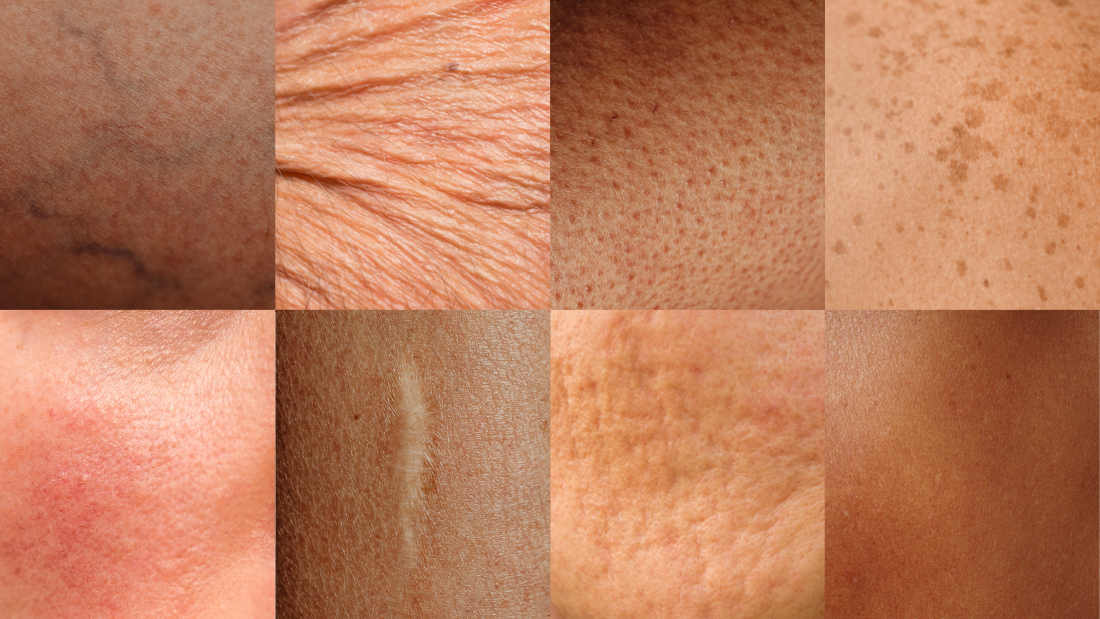
Our skin is often the victim of misconceptions and deep-rooted prejudices, spread by social media, marketing, and even certain cosmetic analysis apps. Between miracle promises, fear of certain ingredients, and universal advice applied to all skin types, it becomes difficult to distinguish fact from misinformation. Let's clear up a few things together today.
1. Misconceptions About Oily Skin
“Oily skin doesn't need hydration”
False. Oily skin needs hydration just as much as other skin types. It can be oily and dehydrated at the same time (lack of water). In this case, the skin produces even more sebum to protect itself, leading to shine and imperfections. Proper hydration helps rebalance sebum production and improves overall skin quality.
“Oily skin should not use creams or oils”
False. Oily skin does need care but the right kind.
Light textures (gel, fluid, light texture cream) and non-comedogenic formulas are recommended. Certain vegetable oils, such as jojoba oil, when used in small amounts, can help regulate sebum production and improve the skin’s overall balance.
We recommend using gel textures, such as our Harmonizing Fluid Desensitizing Care.

2. Misconceptions About Dry Skin
“A rich or nourishing cream is enough”
False. Dry skin needs both hydration and nutrition:
- Hydration: to bring water to the skin, for example with hyaluronic acid
- Nutrition: to provide lipids that strengthen the skin barrier, using oil-based products.
“If my skin is dry, I will get wrinkles faster”

Partially false. Dry skin tends to show fine lines more easily because it lacks suppleness and comfort. However, skin aging mainly depends on factors such as:
- Sun exposure,
- Smoking,
- Pollution,
- Or genetics.
But, Well-hydrated and well-protected skin does age better, regardless of skin type.
3. Misconceptions About Mature Skin
“Anti-wrinkle products are only for mature skin”
False. Prevention starts long before wrinkles appear. From age 25 onward, collagen production and skin elasticity begin to decline. Early signs of aging may appear, such as fine lines and dullness.
To delay wrinkles, we recommend antioxidant-rich products like the Moisturize Intense Serum or the C+ Detox Intense Serum.
“Black skin doesn’t need anti-aging care”
False. All skin types age. Even though melanin provides better natural protection against UV rays, darker skin tones still experience loss of firmness and oxidative stress.
4. Misconceptions About Sensitive Skin
“I should only use natural products if I have sensitive skin”
False. Natural does not necessarily mean better. Some natural substances, like essential oils, can be irritating. Many synthetic ingredients are specifically designed to be hypoallergenic.
“Does makeup irritate sensitive skin?”
This depends on the formulation. Well-formulated, fragrance-free makeup is generally well tolerated. Always wash your face with a gentle makeup remover.
“A sensitive skin will always remain sensitive”
False. It is often a temporary state. By adopting a suitable routine, you can soothe the skin long-term and strengthen its tolerance.

5. Misconceptions Common to All Skin Types

“The more products I use, the better it works”
False. Effectiveness lies in quality and consistency, not quantity. Your skin needs specific nutrients, neither too much nor too little.
“The Yuka app is perfect for choosing cosmetics”
Nuance is key. These apps don't replace professional advice and often ignore ingredient concentration or overall formulation balance.
“You only need sun protection in summer”
False. UV rays are present year-round. Daily sun protection is essential to prevent premature aging and skin cancer.


