

1. What Is a Natural Cosmetic Ingredient?
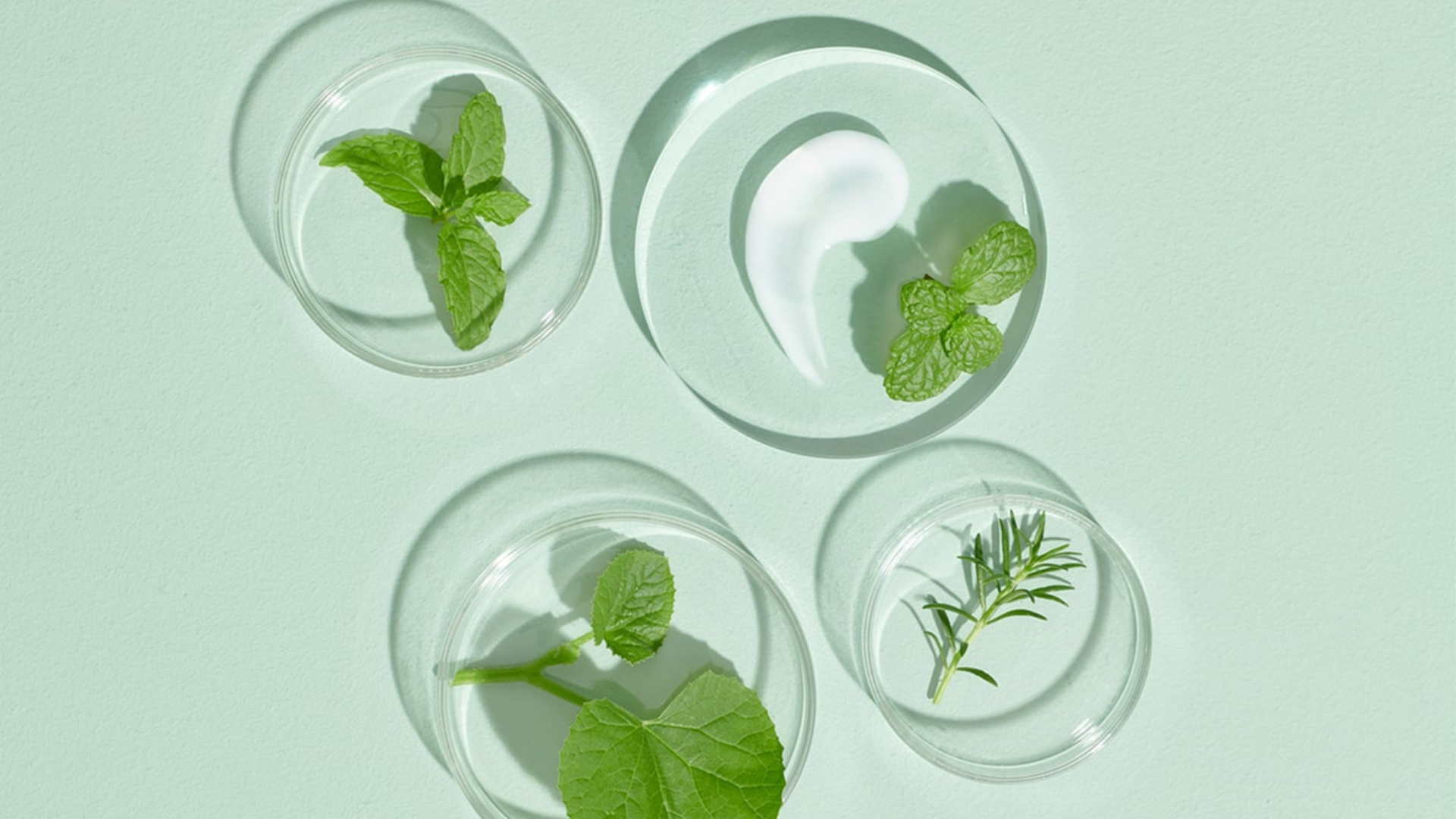
A natural cosmetic ingredient is a substance directly sourced from nature and obtained through simple mechanical processes such as cold pressing, steam distillation or grinding, without major chemical transformation.
These ingredients retain a complex composition with several naturally occurring active compounds.
Examples of natural cosmetic ingredients
- Plant oils
- Vegetable butters
- Clays
- Floral waters
- Botanical extracts

Misconceptions: Natural Does Not Always Mean Safe or Better
Contrary to popular belief, “natural” does not automatically mean “safe,” “effective” or “clean beauty.”
Some natural substances can be irritating, allergenic or unstable, as is the case with certain essential oils. Petroleum itself is technically a natural substance, proving that “natural” is not synonymous with quality or skin safety.
It is also important to note that a natural cosmetic ingredient is not automatically an organic ingredient. The term “organic ingredient” specifically refers to ingredients sourced from certified organic farming practices.
The Limitations of Natural Ingredients
- Some ingredients may be less stable over time
- They are often more sensitive to light exposure and oxidation
- Ingredient effectiveness may vary depending on harvests and batches
- Benefits depend heavily on extraction quality and concentration
2. Naturally Derived Ingredients: The Perfect Balance?
Naturally derived ingredients are transformed from natural raw materials such as plants or minerals through chemical or physical processes in order to isolate specific components, improve skin tolerance and increase stability.
Examples include vegetable glycerin, bio-based hyaluronic acid, vitamin E and gentle surfactants derived from coconut or sugar.
Common Myths About Naturally Derived Ingredients
The term “naturally derived” only refers to the original source of the ingredient. It does not automatically mean the ingredient is:
- Organic: certified from organic farming
- Vegan: free from animal-derived components
- Unprocessed: many naturally derived ingredients undergo chemical or physical transformations to become effective, stable and skin-friendly
Today, naturally derived ingredients are widely used in modern skincare because they provide an excellent balance between efficacy, safety and stability.
They allow formulators to isolate active ingredients, improve skin tolerance and create pleasant skincare textures while combining science and nature.
3. Synthetic Ingredients: Should You Be Concerned?
A synthetic ingredient is created or reproduced in a laboratory. It can either be a fully engineered molecule inspired by compounds naturally found in nature or an identical copy of an existing molecule through biomimicry.
Examples include peptides, preservatives and silicones.
Synthetic ingredients offer several advantages
- High purity levels
- Better stability over time
- Consistent concentration
- Targeted skincare performance

Contrary to common misconceptions, synthetic ingredients go through rigorous safety testing and are often more stable and predictable than certain natural alternatives.
Unlike poorly controlled plant extracts, synthetic ingredients can reach very high purity levels while avoiding contaminants such as pesticides or heavy metals.
Synthetic cosmetic active ingredients are also specifically engineered to target concerns such as hydration, anti-aging, uneven texture or blemishes with precise and reliable performance.
4. How to Choose Your Skincare Products Wisely
Choosing the right skincare products should not rely solely on “natural” claims or marketing trends.
Instead, focus on ingredient quality and how the cosmetic formulation supports your skin needs. You can read our article here to better understand you skin type and its needs.
Best Practices for an Effective Skincare Routine
- Read the full ingredient list carefully
- Choose transparent skincare brands
- Introduce active ingredients gradually
- Avoid combining too many powerful skincare actives at once
- Prioritize consistency over overly complex routines

Use a good routine
A simple, consistent routine using products from the same line can often deliver better results thanks to the enhanced synergy between formulas and active ingredients. It’s important to avoid using too many potent active ingredients in a single skincare routine to minimize the risk of irritation.
For example, combining retinol with strong exfoliating acids such as AHA or BHA, or using concentrated vitamin C alongside retinol in the same routine, may overwhelm sensitive skin.
The best approach is to introduce active ingredients gradually, follow the recommended dosages, and alternate applications if necessary. A simple, balanced and consistent skincare routine is often far more effective than layering too many powerful products simultaneously.
Conclusion
Natural, naturally derived, or synthetic: no one category is better than another.The key lies in the science of formulation, the quality of the active ingredients, and their proper use. Adopting a more nuanced approach allows for more informed, effective choices that are tailored to the skin’s actual needs.


